
Concept
- Problems
- Solutions
Engineering for nature
Biodiversity preservation has become one of the defining challenges of the 21st century. Classical conservation and taxonomic approaches can no longer keep pace with the scale and speed of ecosystem change. We need tools that detect environmental signals earlier, faster, and with greater precision.
To bridge the gap between modern genomic methods, remote sensing technologies, and field monitoring needs, GenoRobotics develops an integrated, three-layer system that enhances biodiversity assessment at every scale:
- Plant and habitat identification through automated remote-sensing pipelines
- Microorganism and species detection in freshwater and soil using eDNA workflows
- Interfacing experimental devices with digital analysis tools for seamless data flow
- Data storage and comparison through dedicated biodiversity databases
This approach creates a unified monitoring pipeline – from satellites to DNA – that accelerates conservation research and improves ecosystem decision-making.
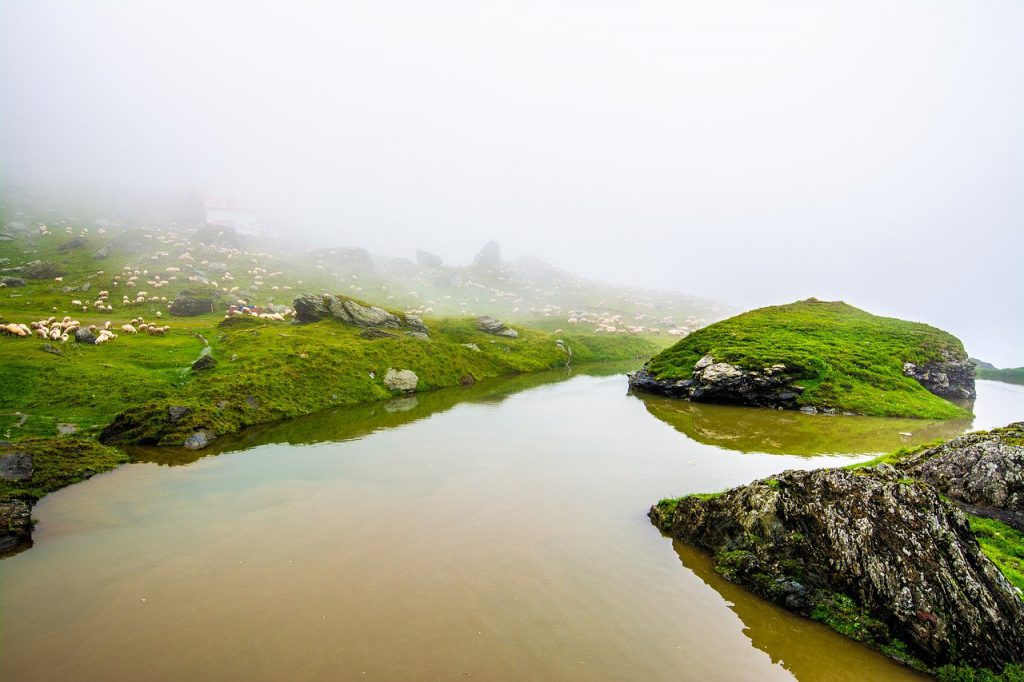
Remote Sensing
Data Science
Ecosystems are changing faster than traditional monitoring can track. Key habitats disappear unnoticed, species decline without clear warning, and important environmental patterns remain hidden in vast amounts of unstructured data. These blind spots make conservation decisions slower and less precise.
Our Data Science team tackles this problem by uncovering patterns that field observations alone cannot reveal. By merging images, sounds, and environmental measurements with satellite and drone data, we map habitats, detect trends, and identify ecological risks before they escalate.
To overcome these monitoring gaps, we build tools that transform raw environmental signals into clear, actionable insights. Our approach combines machine learning, acoustic analysis, and remote-sensing pipelines to classify species, identify habitats, and enrich Digital Ranger detections with large-scale context.
Using techniques such as CNN-based image recognition, bat call classifiers, and automated satellite analysis, we integrate data from all three layers of the GenoRobotics ecosystem : remote sensing, edge sensing, and eDNA.
The result: scalable technology that turns complex data into a coherent understanding of ecosystem health.

Edge Sensing
Digital Ranger

Wildlife often goes unseen, especially in remote or fragile environments where human presence is limited. Many species become active only at night, threats such as poaching or illegal logging occur unpredictably, and environmental changes unfold faster than researchers can respond. Traditional monitoring methods simply cannot capture continuous, real-time data across large areas.
The Digital Ranger team addresses this gap by enabling autonomous, always-on observation directly in the field.
To solve this challenge, we develop modular sensing devices capable of detecting species and environmental events in real time. Our architecture combines lightweight edge-AI models, custom PCBs, and interchangeable sensor modules : cameras, microphones, GPS, radio, and environmental probes.
Audio and image classifiers run directly on low-power hardware like ESP32 boards, while a robust edge-to-cloud pipeline sends key detections to our server for visualization and analysis.
This technology allows us to capture biodiversity signals as they happen, even in extreme conditions, and integrate them into the wider GenoRobotics monitoring ecosystem.
Water and Soil
eDNA Analysis
Understanding ecosystems starts long before any lab work : it begins in the field.
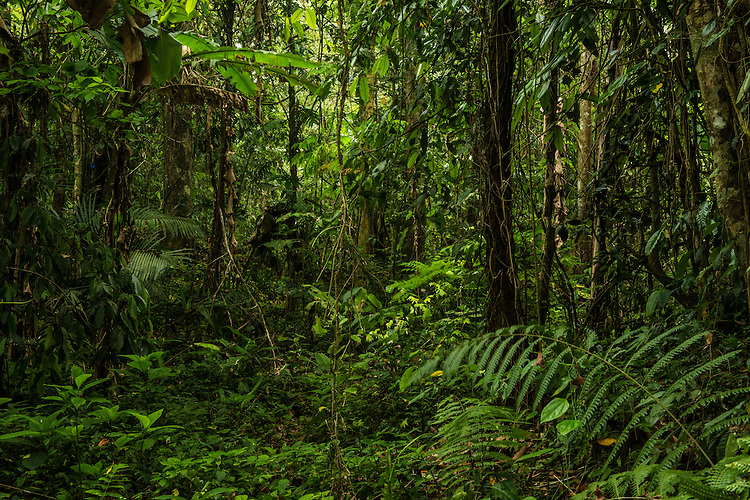
Forests, rivers, lakes, wetlands, and soils all carry an invisible biological signature: traces of DNA shed by organisms as they move, feed, or interact with their habitat. These fragments of environmental DNA (eDNA) allow us to detect species without disturbing them, offering a non-invasive and highly sensitive approach to biodiversity monitoring.
This ecological perspective is essential for conservation. Whether identifying invasive species, monitoring endangered populations, or assessing ecosystem health, environmental awareness ensures that our DNA-based insights truly reflect what is happening in nature.
Our eDNA/DNA Analysis team turns raw environmental samples into clear biological insights using streamlined extraction, PCR amplification, and next-generation sequencing. Once water or soil is collected, optimized protocols allow us to reveal which species are present in an ecosystem.
With high-accuracy sequencing tools such as nanopore and rigorous quality controls, we generate data dependable enough for our Data Science and Digital Ranger teams. These genetic results enhance remote sensing and edge-AI detections, forming a complete, three-layer biodiversity monitoring system.
From sample to sequence, our technology makes the invisible visible.

F.A.Q.
Master the tech.